How Is Glaucoma Diagnosed and Treated?

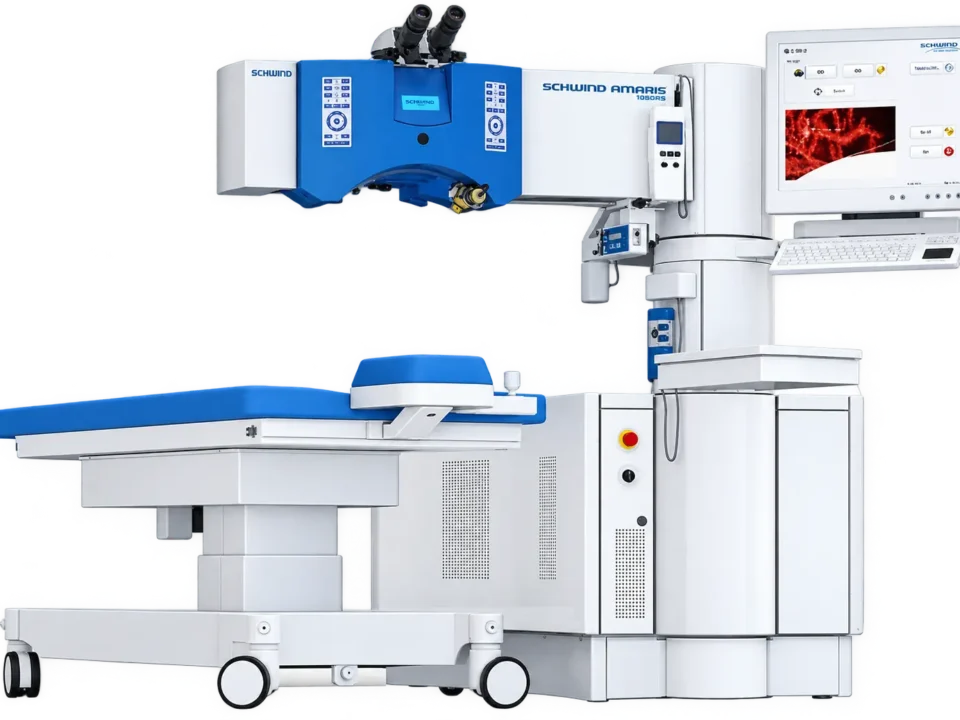
Can LASIK Remove Your Glasses Permanently?
September 27, 2026
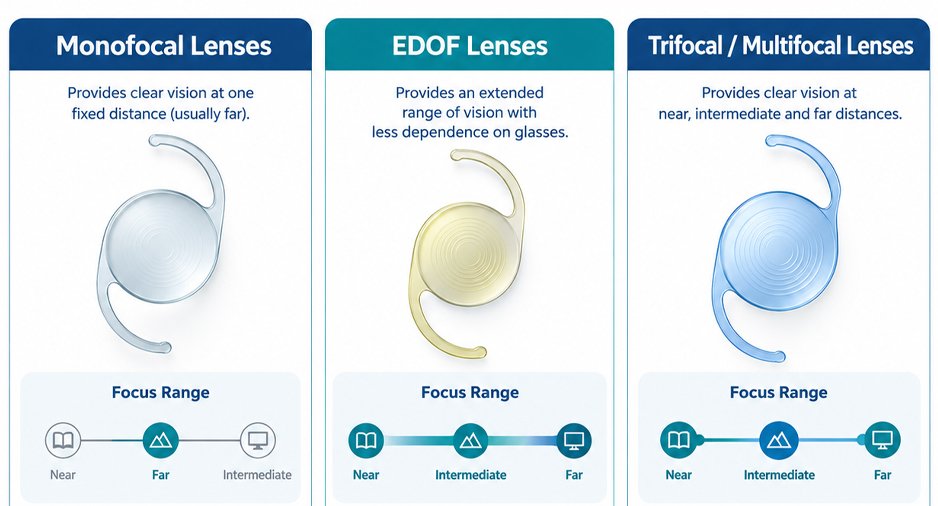
LENS OPTIONS FOR CATARACT SURGERY
September 27, 2026
Glaucoma is a serious eye condition that can gradually damage the optic nerve and lead to permanent vision loss if not treated on time. It often develops slowly and may not show noticeable symptoms in the early stages, which is why many people remain unaware that they have it.
The good news is that *early diagnosis and proper treatment can help control glaucoma and protect your vision.* Understanding how glaucoma is detected and treated can encourage people to seek timely medical care.
What Happens in Glaucoma?
Glaucoma usually occurs when pressure inside the eye increases and damages the optic nerve. This pressure is known as Intraocular Pressure.
The optic nerve is responsible for sending visual signals from the eye to the brain. When it becomes damaged, vision can gradually worsen. If the condition progresses without treatment, it may eventually lead to permanent blindness.
That is why regular eye examinations are extremely important, especially for people above the age of 40 or those with a family history of glaucoma.
How Is Glaucoma Diagnosed?
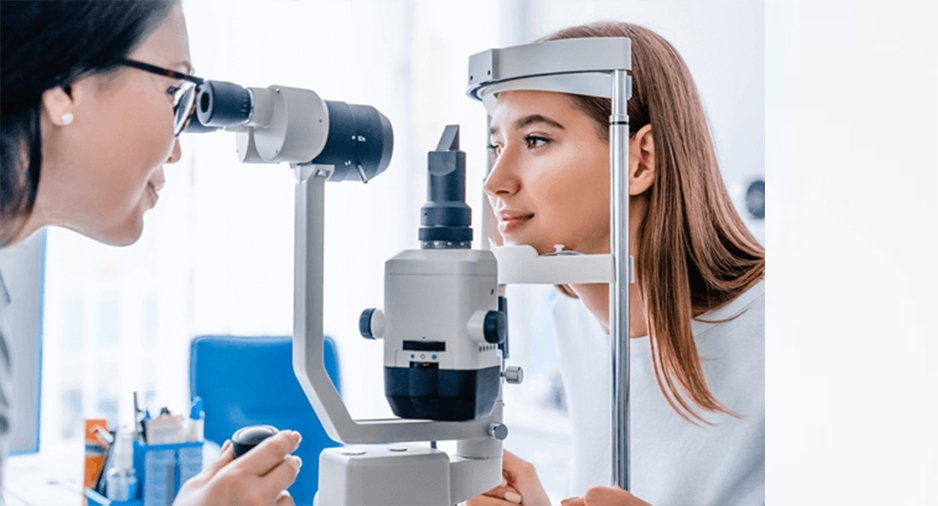
Diagnosing glaucoma requires a detailed eye examination by an experienced ophthalmologist. Eye specialists use several tests to detect early signs of optic nerve damage and increased eye pressure.
1. Eye Pressure Measurement (Tonometry)
One of the first tests used to detect glaucoma is *Tonometry*, which measures the pressure inside the eye.
If the pressure is higher than normal, it may indicate a risk of glaucoma. However, further tests are needed to confirm the diagnosis.
2. Advanced imaging technology like OCT (Optical Coherence Tomogrpahy) can help detect subtle changes in the nerve
During the eye exam, the doctor carefully examines the optic nerve to check for any signs of damage. Advanced imaging technology can also help detect subtle changes in the nerve.
Early detection at this stage can help prevent further vision loss.
3. Visual Field Test
A Visual Field Test is used to check for loss of side vision. Since glaucoma often affects peripheral vision first, this test helps doctors identify early vision changes that patients may not notice.
4. Corneal Thickness Measurement
Doctors may also measure the thickness of the cornea using a test called *Pachymetry*. Corneal thickness can influence eye pressure readings and helps doctors better evaluate glaucoma risk.
How Is Glaucoma Treated?
Although glaucoma cannot be completely cured, it can usually be *controlled with proper treatment. The main goal of treatment is to lower eye pressure and prevent further damage to the optic nerve.
Treatment depends on the type and severity of glaucoma.
1. Medicated Eye Drops
In many cases, glaucoma treatment begins with prescription eye drops. These medications help reduce eye pressure by either decreasing fluid production in the eye or improving fluid drainage.
Patients must use these eye drops regularly as directed by their doctor.
2. Laser Treatment
Laser procedures can help improve the drainage of fluid from the eye and reduce pressure. These treatments are quick and usually performed as outpatient procedures.
Laser therapy can be an effective option for certain types of glaucoma.
3. Glaucoma Surgery
If medications and laser treatments are not enough, surgery may be recommended. Surgical procedures create a new drainage pathway for eye fluid, helping to lower eye pressure and protect the optic nerve.
Modern surgical techniques are safe and designed to preserve vision.
Importance of Early Detection
Since glaucoma often progresses silently, regular eye check-ups are the best way to detect it early.
People who should have routine eye examinations include:
* Individuals over 40 years of age
* People with a family history of glaucoma
* Patients with diabetes or high blood pressure
* Those who use steroid medications for long periods
Early diagnosis can help prevent serious vision loss and maintain healthy eyesight for years.
—
# Expert Glaucoma Care in Amritsar
If you are concerned about glaucoma or experiencing changes in your vision, it is important to consult a qualified eye specialist.
Nirmaljot Eye Hospital provides advanced diagnosis and modern *glaucoma treatment in Amritsar*, using the latest technology and patient-focused care.
—
Experienced Eye Specialists
Dr. Bhupinder Singh (MBBS, MS – Eye)
Dr. Harmandeep Singh (MBBS, MS – Eye)
Experienced *Ophthalmologists in Amritsar*
Contact Details
Nirmaljot Eye Hospital
Near Govt. Girls School, Mall Road
Amritsar, Punjab
📞 98033 50369
📞 79738 67430
*Clear Vision. Better Life.*